Available courses

Programming Fundamentals

Programming Fundamentals is one of the core courses offered in the first semester of the Computer Science program. The primary objective of this course is to introduce students to the essential concepts of programming and computational thinking. Students will learn how to think logically, solve problems, design algorithms, and implement them using a programming language. This course serves as the foundation for many advanced subjects in the Computer Science curriculum.

Course Objectives:

  • Understand basic principles of programming and computational logic
  • Develop problem-solving and algorithm design skills
  • Learn about variables, data types, input/output
  • Understand conditional statements, loops, and control structures
  • Gain introductory experience with functions and structured code design

Expected Outcomes:

By the end of this course, students will be able to analyze simple problems, design appropriate algorithms, and implement them in a programming language.

Skill Level: Beginner

UI/UX Design Fundamentals is an introductory course that teaches students how to create user-centered digital products. Students will learn the core principles of user interface design, user experience research, visual design basics, wireframing, and prototyping. By the end of the course, students will be able to design simple and effective interfaces that are functional, visually appealing, and easy to use.

Skill Level: Beginner
This course introduces the fundamental principles of Medical Physics and their application in modern healthcare. Students will learn how physical laws explain physiological processes and how physics is used in diagnostic and therapeutic technologies such as X-rays, ultrasound, CT, MRI, and radiation therapy. The course builds a strong foundation for understanding medical imaging and clinical equipment.
Skill Level: Beginner
This course introduces students to the fundamental principles of Biophysics, exploring how physical laws and mathematical models explain biological structures and processes. Topics include membrane physiology, diffusion, cellular mechanics, bioelectricity, radiation biology, and the physical basis of medical diagnostics. Students gain a strong interdisciplinary foundation essential for medical and life sciences.
Skill Level: Beginner
This course provides students with essential knowledge and practical skills in First Aid and basic emergency care. It covers assessment of injured persons, CPR, wound management, bleeding control, shock treatment, and responding to common medical emergencies. The course prepares students to act confidently and effectively as first responders in real-life situations.
Skill Level: Beginner

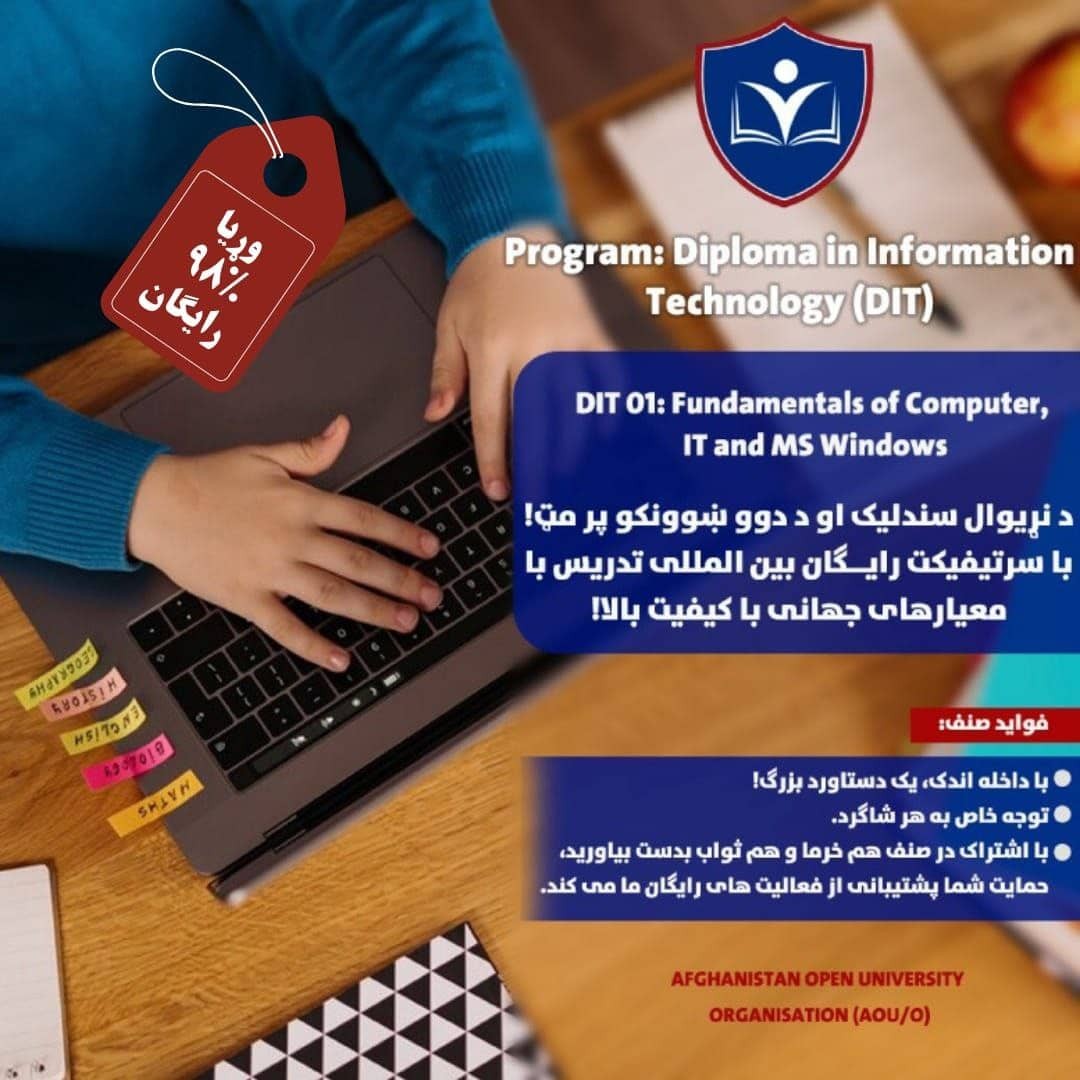
This course provides students with a fundamental understanding of computer concepts and information technology. Students will learn about the basic components of a computer, types of software, and the role of technology in everyday life and professional environments. A major focus of the course is practical training in the Windows operating system. Students will learn how to navigate the Windows interface, manage files and folders, adjust system settings, and use basic applications and tools.

By the end of this course, students will develop essential computer skills that prepare them for more advanced subjects in information and communication technology.

Skill Level: Beginner

Site announcements

There are no discussion topics yet in this forum.